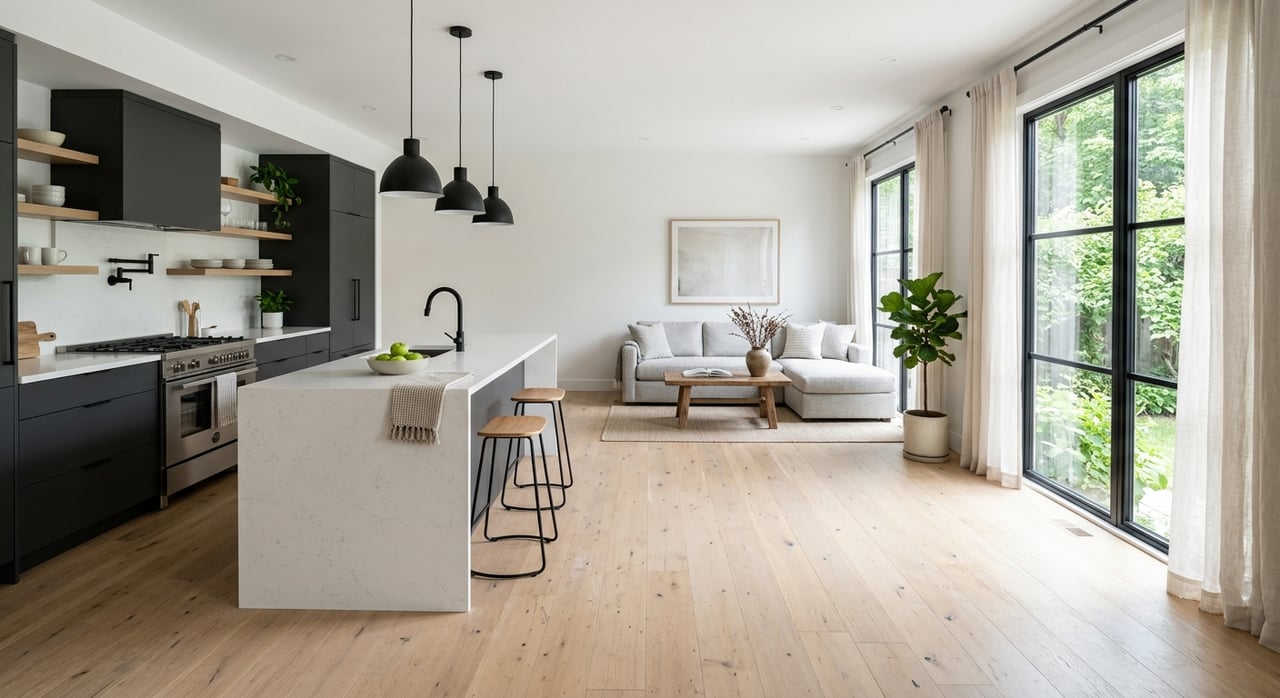
If you are getting ready to sell in Salt Lake City, one thing matters more than most sellers want to admit: buyers notice everything. In a market where homes are still selling but buyers are more selective, the difference between a rushed listing and a polished launch can shape how quickly your home sells and how much negotiating power you keep. The good news is that you do not need a full remodel to make a strong impression. You need a smart plan, a clear timeline, and the right priorities. Let’s dive in.
Why prep matters in Salt Lake City
Salt Lake City is not a market where you can count on any home to sell instantly, no matter its condition. According to Redfin’s Salt Lake City housing market data, homes receive about two offers on average, sell in around 62 days, and had a median sale price of $579,000 in February 2026. That same snapshot suggests presentation still plays a big role.
Recent city data reported through the same Redfin market overview also aligns with a more selective buyer pool, with many homes closing under list price. For you as a seller, that means condition, pricing, and marketing need to work together from day one. A well-prepared home can help you create stronger early interest instead of spending the first few weeks fixing preventable issues.
Start with a pre-list plan
The best way to prepare your Salt Lake City home for market is to work backward from photo day. The NAR consumer guide for preparing to sell your home notes that clean windows, carpets, lighting fixtures, and walls all help a home show better. Those details matter even more once your listing photos go live.
Instead of asking, “What should I do before listing?” ask, “What needs to be done before the photographer arrives?” That shift helps you prioritize the tasks buyers will actually see online and in person. It also creates a cleaner, less stressful launch.
Build your timeline backward
A smoother listing launch usually starts with a short planning window before you go active. Depending on your home’s condition, that may mean a couple of weeks or longer for cleaning, repairs, and paperwork. The goal is not speed alone. The goal is readiness.
A practical pre-list timeline often includes:
- Decluttering and packing personal items
- Deep cleaning the whole home
- Minor repairs and touch-up paint
- Yard and entry cleanup
- Gathering appliance manuals and warranties
- Scheduling photos after the home is fully ready
Focus on the highest-impact updates
Most sellers do not need a major renovation before listing. In the NAR 2025 home staging report, the most common recommendations from sellers’ agents were decluttering, whole-home cleaning, and improving curb appeal. That is an important reminder that visible, buyer-facing updates usually carry more weight than expensive projects.
If you want the best return on your time and budget, start with the basics that affect first impressions. Clean, bright, orderly spaces help buyers focus on the home itself instead of your unfinished to-do list.
Declutter first
Decluttering is often the single most important step. It makes rooms feel larger, cleaner, and easier to photograph. It also helps buyers picture how they would use the space.
Start by removing:
- Extra furniture that makes rooms feel tight
- Personal photos and highly specific decor
- Overflow items from counters, shelves, and closets
- Off-season clothing and storage bins
- Pet items when not in use
Deep clean every visible surface
A deep clean does more than make the house look nice. It signals that the home has been cared for. The NAR consumer guide specifically calls out windows, carpets, lighting fixtures, and walls, which are all areas buyers notice quickly.
Pay extra attention to kitchens and bathrooms. These spaces can influence buyer perception fast, especially in photos and showings.
Handle minor repairs
Small issues can raise larger concerns in a buyer’s mind. A dripping faucet, loose handle, scuffed wall, or burned-out bulb may seem minor, but together they can make a home feel neglected. Before listing, aim to fix the simple items that affect confidence.
Keep in mind that Salt Lake City Building Services says permits are required before certain alterations, repairs, improvements, and work on electrical, plumbing, or mechanical systems. Cosmetic touch-ups are one thing. Larger pre-list repairs may need city approval, so it is smart to check requirements early.
Prioritize the rooms buyers notice most
Not every room carries the same weight when your home hits the market. The NAR staging report found that the rooms most often staged were the living room, primary bedroom, dining room, and kitchen. Those are the spaces that deserve your first attention.
If your budget or time is limited, do not try to perfect every corner of the house before you address these main rooms. Buyers often form their opinion of the home based on the spaces where they imagine daily life happening.
Living room
Your living room should feel open, bright, and easy to move through. Remove extra chairs, simplify decor, and make sure natural light comes through clearly. A clean, balanced layout photographs better and feels more inviting during tours.
Kitchen
Clear counters, clean appliances, and fresh surfaces matter here. Buyers tend to focus on storage, workspace, and overall upkeep. Even simple resets, like removing countertop clutter and wiping down cabinet fronts, can make a noticeable difference.
Primary bedroom
The primary bedroom should feel calm and spacious. Keep bedding simple, limit furniture to essentials, and reduce personal items on dressers and nightstands. A quiet, uncluttered look helps the room feel larger.
Dining room
Whether you use it daily or not, the dining room helps define the home’s layout. Make it clear and purposeful. A simple table setting or a clean open space often works better than a crowded room with mixed uses.
Use staging strategically
Staging does not have to mean a full designer overhaul. According to the NAR 2025 staging report, the median spend was $1,500 when using a staging service and $500 when the agent personally staged the home. That tells you staging can be flexible.
The main goal is to help buyers understand scale, flow, and function. In many cases, thoughtful furniture edits, cleaner styling, and better photo presentation do the heavy lifting. A strategic approach usually beats over-decorating.
Boost curb appeal for every season
Your exterior sets the tone before buyers even step inside. That is why curb appeal remains one of the highest-impact prep categories. Basic tasks like trimming, sweeping, refreshing the front entry, and cleaning the porch can make the whole property feel more cared for.
In Salt Lake City, winter prep needs special attention. The city requires property owners to remove snow and ice from the sidewalk next to the property within 24 hours after a storm ends, according to Salt Lake City sidewalk maintenance guidance. If your home is on the market during winter, your front walk, driveway edges, and entry path should stay on your showing checklist.
Plan around winter air quality
Another local factor is air quality. Utah DEQ’s inversion overview explains that winter inversions can trap pollution in the Salt Lake Valley and create multiple multi-day episodes each season. For sellers, that makes timing more important for exterior photos and open-house planning.
On winter listing days, it helps to stay flexible. Clearer skies can improve your exterior presentation, and fresh indoor air can make showings feel better overall.
Decide whether to get a pre-list inspection
A pre-list inspection is not required. The NAR consumer guide says it is optional, but it can help uncover issues before buyers do. It can also give you a clearer sense of likely repair costs for major systems or components.
This step can be especially useful if your home is older or if you want fewer surprises during negotiations. In some cases, learning about issues early gives you more control over whether to repair, disclose, or price accordingly.
Pay attention to older-home disclosures
If your home was built before 1978, federal lead-based paint rules may apply. HUD states that most sellers of pre-1978 homes must provide the EPA pamphlet, disclose known lead-based paint information, share available reports, and allow a 10-day inspection or risk-assessment period, as outlined in this HUD lead-based paint summary.
Utah guidance also notes that sellers must disclose hazardous conditions, including radon gas in the house or well. If radon is present, Utah DEQ says it is best to correct the issue before going to market. These are good examples of why early preparation matters.
Get paperwork moving early
Seller prep is not just about cleaning and repairs. Paperwork can delay your launch if you wait too long. If your property is part of an HOA, this is one of the first things to address.
According to Utah’s HOA document guidance, sellers are responsible for providing required HOA documents to the buyer by the disclosure deadline, and associations may have up to 14 days to provide requested records. If your Salt Lake City home is in an HOA, request documents before your listing goes live whenever possible.
Gather key records now
Before listing, pull together the documents buyers commonly ask about, including:
- Appliance manuals and warranties for items staying with the home
- HOA documents, if applicable
- Records of major repairs or maintenance
- Any available reports related to the property
This step supports a smoother transaction and helps you answer buyer questions with confidence.
Do not wait for a perfect month
Many sellers assume spring is always the best time to list. Nationally, there is some truth to that. The National Association of Realtors seasonal analysis says existing-home activity usually peaks from April through June, with June often showing the fastest median days on market.
But the same NAR analysis also notes that the West is the region least affected by seasonality. In Salt Lake City, that means you may be better off listing when your home is truly ready instead of waiting for a so-called perfect week on the calendar. Condition, photos, pricing, and launch strategy often matter more than chasing a specific month.
Stay show-ready after launch
One of the biggest seller mistakes is treating prep as something that ends on photo day. Once your home is active, you need a repeatable reset routine that keeps it ready for showings. That matters because buyers may come through with little notice, and momentum often builds in the first stretch of market time.
The Utah REPC also says the seller must deliver the property in substantially the same general condition as on the acceptance date, broom-clean and free of debris and personal belongings, with a buyer walk-through allowed shortly before settlement. Staying consistent from launch through closing helps avoid stress later.
Create a quick showing checklist
A practical daily reset may include:
- Make beds and clear nightstands
- Wipe kitchen and bathroom counters
- Put away pet items and remove pets for showings
- Empty trash as needed
- Open blinds and turn on lights when appropriate
- Check the front entry and porch before leaving
The NAR staging report includes removing pets during showings among common recommendations, along with decluttering, carpet cleaning, minor repairs, paint touch-ups, and depersonalizing. A simple system makes all of that easier to maintain.
Smart prep creates a stronger launch
Preparing your Salt Lake City home for market is really about one thing: making it easy for buyers to say yes. That usually means less clutter, better light, cleaner surfaces, stronger photos, and fewer unresolved questions. In a market where buyers are paying attention and many homes sell under list price, that preparation can make a real difference.
If you want a listing plan built around timing, presentation, and a smooth process from prep through closing, Teri Hudson can help you create a strategy that fits your home, your timeline, and your goals.
FAQs
Is a pre-list inspection required for a Salt Lake City home sale?
- No. It is optional, but NAR says it can help uncover issues before buyers do and help you decide what to repair or disclose.
What rooms matter most when preparing a Salt Lake City home for market?
- The living room, primary bedroom, dining room, and kitchen typically matter most, based on NAR’s staging report.
Should you wait until spring to list a Salt Lake City home?
- Not necessarily. NAR says spring is the peak national season, but the West is less affected by seasonality, so a well-prepared listing can perform outside the traditional spring window.
What winter prep matters most for Salt Lake City sellers?
- Keep sidewalks and entry paths clear of snow and ice, maintain curb appeal, and stay flexible with exterior photos and showings during inversion season.
Do Salt Lake City sellers need HOA documents before listing?
- If your property is in an HOA, it is smart to request those documents early because Utah guidance says associations may have up to 14 days to provide records.
Should you make major repairs before listing a Salt Lake City home?
- It depends on the repair. Cosmetic updates are common, but larger work on electrical, plumbing, mechanical systems, or certain alterations may require permits through Salt Lake City.