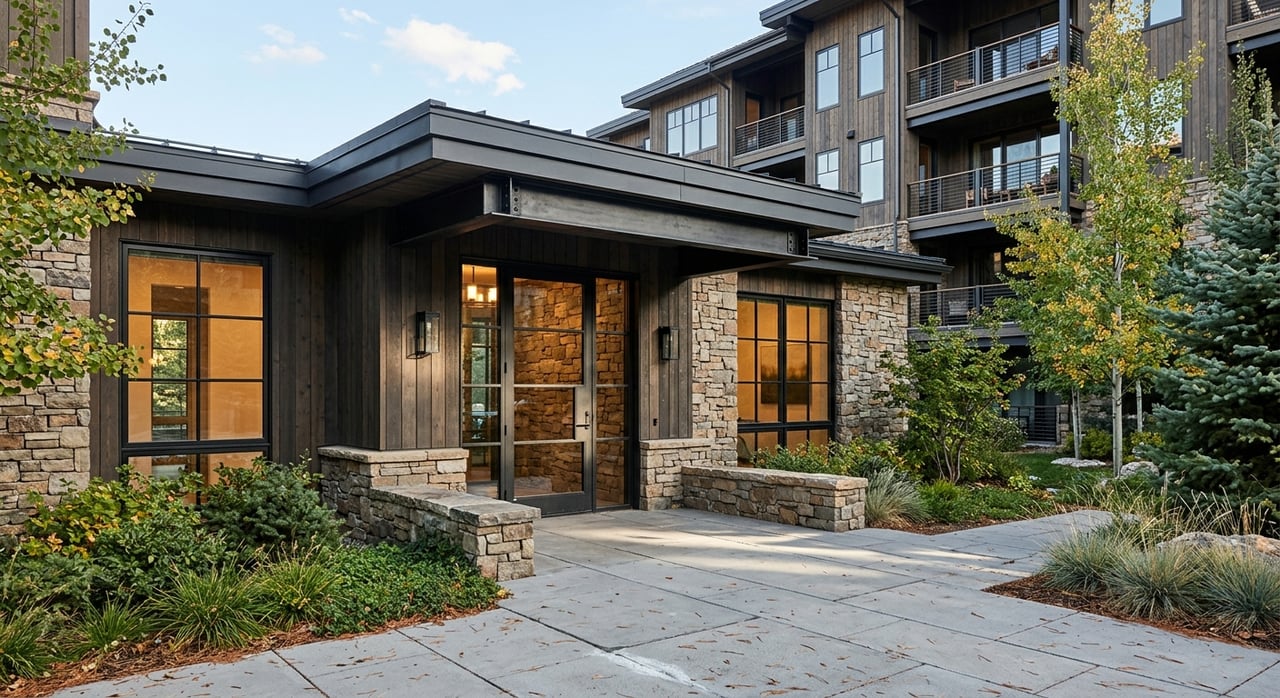
Buying a condo in Park City can look simple on the surface: find the right location, compare views, and make an offer. But in a resort-driven market, the details behind the unit often matter just as much as the unit itself. If you are considering a Park City condo as a primary home, second home, or income-producing property, knowing what to verify before you buy can save you time, money, and stress. Let’s dive in.
Why Park City condos are different
Park City is not a typical condo market. According to the city's annual report, tourism is the area's major industry, with average visitor volume reaching nearly 8,500 people per night and occupancy rising above 70% in winter before dropping to around 20% in slower shoulder seasons. You can review those seasonal patterns in the City of Park City annual report.
That seasonality affects more than rental income. It can also affect building wear, snow management, operating costs, owner usage, and how an HOA plans for maintenance throughout the year. The Park City Chamber's Sustainable Tourism Plan also notes how closely the local economy is tied to visitor demand and seasonal workforce patterns.
For you as a buyer, that means condo due diligence should go beyond price per square foot or amenities. You want to understand how the building functions in a market shaped by winter demand, second-home ownership, and changing occupancy throughout the year.
Check nightly rental eligibility first
If you hope to use your condo as a short-term rental, this should be one of your first questions, not one of your last. In Park City, nightly rental use is not just about what you want to do with the property. It depends on both city rules and HOA rules.
Understand the city requirement
Park City requires a Nightly Rental License for stays under 30 days, but only if the property is allowed by zoning. The city states that the application includes an inspection process and that approval usually takes 15 to 30 days. You can review the city's Nightly Rental License requirements directly.
That means even a well-located condo near resort activity may not automatically qualify for the use you have in mind. Before you write an offer, confirm that the exact unit is in an area where nightly rental use is permitted.
Review the HOA documents carefully
City approval is only one part of the test. Under Utah condominium law, a condo association may restrict rentals, limit rental terms, or prohibit rentals altogether through its declaration or amendments.
In practice, this means a condo may be in a zoning area that allows short-term rentals, while the HOA still blocks or limits them. Some buildings may also have rules about minimum stay length, parking, guest access, or caps on rental activity.
Ask these rental questions before you offer
- Is the exact unit zoned for nightly rental use?
- Do the declaration or CC&Rs allow short-term rentals?
- Are there caps, waiting lists, or grandfathered units?
- Has the building already completed the city's inspection or licensing process?
- Are there guest rules related to parking, check-in, or minimum stay length?
If rental income is part of your plan, these answers can shape whether the condo still fits your goals.
Review HOA dues and reserves closely
Monthly HOA dues are easy to compare. What is harder, and more important, is understanding whether the association is financially prepared for future repairs and replacement costs.
Look beyond the monthly payment
Assessments typically help cover administration, common-area maintenance, repairs, and replacement of shared components. The Utah Department of Commerce HOA guidance also notes that special assessments and deductible charge-backs can happen when the regular budget is not enough.
That matters in a mountain setting where shared systems and exterior components may face added wear from weather, snow, and seasonal occupancy. A lower monthly HOA payment is not always better if it means the building is underfunded.
Confirm reserve planning
Utah law requires condominium associations to complete a reserve analysis at least every six years, with review and updates at least every three years if needed. Owners are also entitled to a summary of the most recent reserve analysis under Utah condo statutes.
For you, the big question is whether the association is planning ahead for major expenses or simply reacting when something breaks. A healthy reserve plan can reduce the chance of surprise costs after closing.
Request these HOA documents
Before you move forward, ask for:
- Current budget and dues breakdown
- Latest reserve analysis or reserve summary
- Recent HOA meeting minutes
- History of special assessments
- Insurance deductible language in the governing documents
- Any pending capital projects or litigation
These documents can tell you a lot about how the building is managed and whether future costs may be coming.
Expect more maintenance in a mountain setting
Mountain condo ownership often comes with a different maintenance profile than a condo in a flatter, less seasonal area. In Park City, snow, altitude, access, and building systems all play a bigger role.
Snow and exterior access matter
Park City's building review materials specifically point to issues such as climate, geography, structural design criteria, snow load, snow-shed agreements, and wildland-urban-interface considerations. The city's building plan review resources highlight how these local conditions affect building design and operation.
The city's snow clearing information also shows that snow removal and storage responsibilities are governed by municipal code, and in some cases the city coordinates with HOAs. For condo buyers, that is a reminder to ask exactly who handles walkways, parking access, and winter safety.
Shared systems can be extensive
If the condo may be used as a nightly rental, Park City's inspection guide shows how detailed the maintenance expectations can be. The city reviews items such as altitude-rated water heaters and furnaces, venting, hot tub GFCI protection, emergency lighting, fire extinguishers, sprinkler and alarm documentation, elevator certification, and parking compliance in applicable buildings. You can see the scope in the Park City inspection guide.
Even if you are not planning to rent the unit nightly, those same shared systems still affect your ownership experience. They can influence budget planning, repair timing, and how smoothly the building operates during peak winter months.
Ask practical management questions
A lock-and-leave condo should still function well when you are away. Ask questions like:
- Who handles snow removal for entrances, drive lanes, and walkways?
- Who maintains common mechanical and safety systems?
- How are emergency issues handled when owners are out of town?
- Is there an on-site or off-site management structure?
- How does the building handle guest turnover, parking, and access if rentals are allowed?
These practical details often shape day-to-day ownership more than the listing photos do.
Focus on four key decision areas
Before making an offer on a Park City condo, try to organize your due diligence around four main categories: legal use, financial health, physical condition, and management.
Legal use
Confirm whether you can use the condo the way you intend. If you want occasional rentals, seasonal occupancy, or a true investment setup, verify both city zoning and HOA rules before you commit.
Financial health
Review the budget, reserve summary, dues, and any history of special assessments. You want to know whether the association is prepared for repairs and replacement costs without creating unnecessary surprises for owners.
Physical condition
Look at the building's maintenance records, inspection history if available, and the condition of shared components. In Park City, winter conditions and mountain infrastructure can make this especially important.
Day-to-day management
A condo can look great on paper but still be frustrating if snow management, parking, guest access, or owner communication are poorly handled. The stronger the management systems, the easier ownership usually feels.
Build the right team before you buy
In a market like Park City, the right questions often need the right people behind them. The research supports consulting professionals who can help you verify the details that matter most.
You may want to speak with:
- A lender to discuss second-home or investment financing and whether the condo project fits the loan program
- A property manager to estimate realistic rental income, cleaning costs, turnover needs, and seasonal guest service demands
- The HOA representative or management company to verify rental rules, reserves, dues, parking, and upcoming capital projects
That kind of preparation helps you make a more confident decision based on how the condo will actually perform, not just how it looks during a showing.
If you are considering buying a condo in Park City, a strategic review of the building, the HOA, and the intended use can make all the difference. At Teri Hudson, we believe clear information leads to better decisions, and we are here to help you evaluate Utah properties with the detail and responsiveness you deserve.
FAQs
What should you verify before buying a Park City condo for short-term rentals?
- You should confirm that the exact unit is eligible under city zoning, that the HOA allows short-term rentals, and that there are no caps, minimum stay rules, or other restrictions that affect your plans.
Why do HOA reserves matter when buying a Park City condo?
- HOA reserves matter because they help fund future repairs and replacement of shared building components, which can reduce the risk of large special assessments.
How does seasonality affect Park City condo ownership?
- Seasonality can affect rental income, occupancy, building wear, snow management, and maintenance demands, especially during peak winter months and slower shoulder seasons.
What HOA documents should you request before buying a condo in Park City?
- You should ask for the current budget, dues breakdown, latest reserve analysis or summary, meeting minutes, any history of special assessments, insurance deductible language, and information on pending capital projects or litigation.
What maintenance issues are important in a Park City mountain condo?
- Important issues include snow removal responsibilities, exterior access, shared mechanical systems, safety systems, winter readiness, and how the HOA manages the building when owners are away.