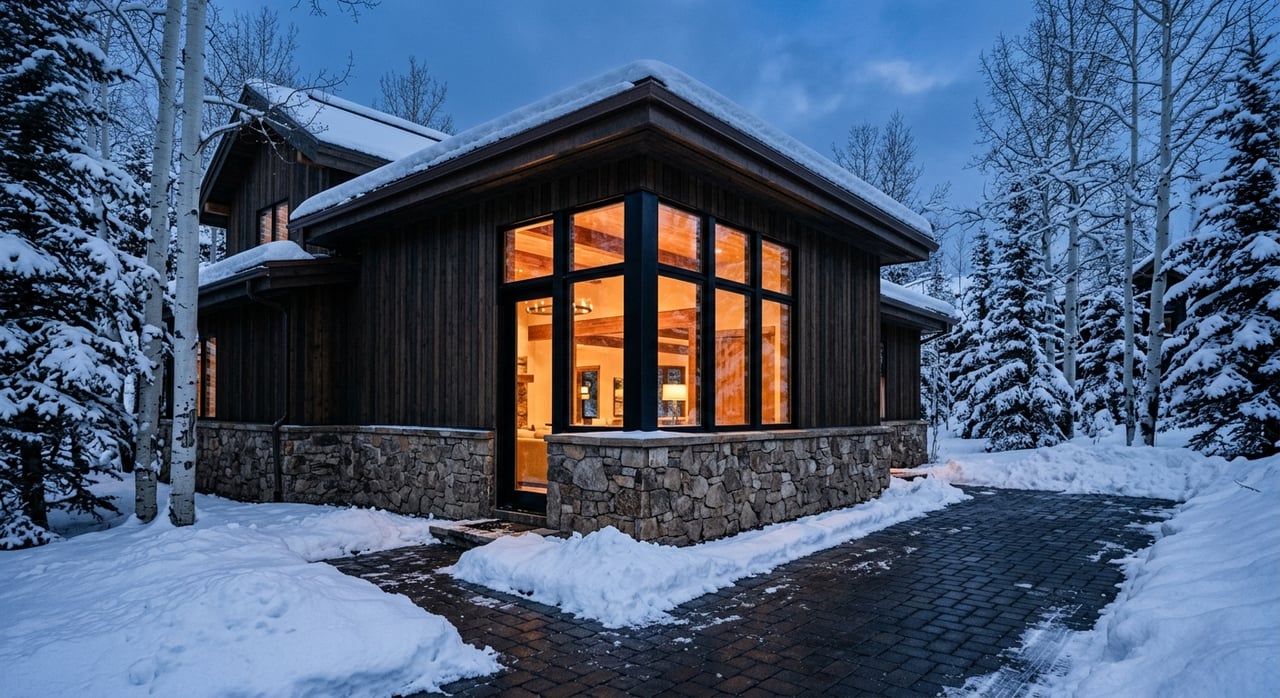
If you are dreaming about a place where mountain views, four-season recreation, and a quieter pace all come together, Midway may already be on your shortlist. For many second-home buyers, the challenge is not finding a beautiful destination. It is figuring out whether that destination truly fits how you want to use the property and what it will cost to own. In this guide, you will learn what makes Midway appealing, where buyers need to look closer, and how to decide if this Wasatch County town is the right match for your second-home goals. Let’s dive in.
Why Midway stands out
Midway has a very specific kind of appeal. It is a small mountain town in Heber Valley at the base of the Wasatch Mountains, about three miles west of Heber City, and local planning materials note that recreation, resorts, reservoirs, and state parks all play a major role in the area’s economy. Those same materials also make it clear that second homes have become part of Midway’s growth, which helps explain why so many buyers consider it for a getaway property.
What often sets Midway apart is that it feels more residential than purely tourist-driven. According to the U.S. Census QuickFacts for Midway, the city had a high owner-occupancy rate in recent ACS data, which supports the idea that this is a community with a strong full-time ownership base. For many buyers, that creates a different feel than a destination built mainly around short-term visitor traffic.
Midway also has a distinct local identity. The city highlights its Swiss settlement history and traditions like Swiss Days through its local history resources, giving the town a character that feels established rather than manufactured. If you want a second home in a place with year-round appeal and a recognizable sense of place, that can be a meaningful advantage.
What daily life feels like
A second home is not just about the house. It is also about what your weekends, holidays, and longer stays will actually feel like. In Midway, the lifestyle is a major part of the draw.
The city notes that residents and visitors have access to seven parks, trails, a dog park, and Town Square, which serves as a central gathering space and includes a seasonal ice rink. Major local events also take place there, which adds to the town-centered feel many buyers want.
Beyond town, Midway offers easy access to outdoor recreation. Nearby options include Deer Creek Reservoir, Jordanelle Reservoir, Wasatch Mountain State Park, Homestead Resort, and Soldier Hollow. That means your second home can support different kinds of use throughout the year, whether you picture winter visits, summer water recreation, or shoulder-season escapes when you just want cooler air and mountain scenery.
Midway is accessible, but not urban
Access matters more than many buyers expect. A second home can be beautiful, but if getting there feels difficult every time, it may not fit your life as well as you hoped.
Midway is accessible for a mountain town, though it is not urban-convenient. The city’s directions and transportation page says Salt Lake City International Airport is about 51 miles away. That is workable for owners coming from outside the area, but it still requires drive-time planning.
That same city resource notes that rideshare availability can be limited. It also points to High Valley Transit, which offers free bus routes between Heber City and Park City along with micro-transit in Midway. For some buyers, that transportation support is a plus, but it should not be mistaken for big-city mobility.
What kinds of second homes you will find
Many buyers assume Midway is all cabins and large detached homes. In reality, the housing mix is broader than that.
According to Midway planning materials, most homes are single-family dwellings, with lot sizes in residential zones ranging from 7,000 square feet to one acre. At the same time, the city also points to condo resort developments, planned-unit-development townhomes, duplexes, internal accessory dwelling units, and apartments as part of the local housing picture.
That variety matters because it gives you more than one path into the market. If you want a lower-maintenance option, an attached property or resort-oriented home may be worth exploring. If privacy and more land matter most, single-family homes remain the dominant product type.
Midway is a premium market
One of the biggest questions second-home buyers ask is simple: can I afford the kind of property I want here? In Midway, the answer often depends on whether you are comfortable buying in a premium mountain market.
The Census QuickFacts page for Midway reports a median owner-occupied home value of $892,800 for 2020-2024. It also lists median monthly owner costs with a mortgage at $3,072. While those figures do not define every listing or every neighborhood, they do show that Midway is not best framed as a bargain second-home destination.
For buyers comparing Utah mountain markets, this is an important reality check. Midway may offer the lifestyle you want, but your budget needs to align with a market where purchase price and carrying costs can be substantial.
Taxes can change the math
This is one of the most important issues for second-home buyers, and it is often misunderstood.
Utah’s primary residence exemption lowers taxable value by 45% for a qualifying primary home, but the Utah State Tax Commission explains that second residences are taxed at 100% of fair market value. Wasatch County guidance referenced in the research also notes that homes used nightly, short-term, or as vacation homes do not qualify for the primary residence exemption.
In practical terms, your tax treatment may be very different from what you would see with a primary residence. That can affect your monthly carrying costs in a meaningful way. Before you buy, it is smart to confirm property tax treatment with the county assessor and review the numbers with your tax professional.
Rental income is not automatic
Some buyers hope to offset costs by renting out a second home when they are not using it. In Midway, that possibility depends heavily on the property and its location.
The city’s business guide and transient rental information says transient rental units need a business license and a licensed property manager. It also says rentals must be located in the Transient Rental Overlay District, and some properties outside resort or commercial zones may also need a conditional use permit.
There is another key detail. City code excerpts cited in the research indicate that transient lodging units may not be rented for less than 48 hours. So if rental flexibility is part of your plan, you should never assume a property can be used the way you want without verifying the exact address, zoning, and licensing requirements first.
Who Midway fits best
Midway is often a strong fit if you want a second home centered on lifestyle first. Buyers who are drawn to mountain scenery, reservoir access, winter recreation, and a quieter pace than a larger resort hub often see real value here. The town’s local history, community traditions, and preservation-minded identity can also appeal to buyers who want something more rooted than a typical vacation corridor.
It may be less ideal if your top goal is broad nightly rental flexibility or if you are trying to evaluate a second home using the tax assumptions of a primary residence. In those cases, the details matter enough that a property-by-property review is essential.
Questions to ask before you buy
If you are seriously considering Midway for a second home, ask these questions early:
- How often will you realistically use the property each year?
- Do you want a low-maintenance condo or townhome, or do you prefer a detached home with more space?
- Are you comfortable with premium pricing and carrying costs?
- Will property taxes still make sense without a primary residence exemption?
- Do you plan to pursue rental income, and if so, does the specific property meet Midway’s rules?
- Are you prepared for seasonal maintenance, winter access, and travel logistics?
Those questions can help you move from a general idea to a practical decision.
The bottom line on Midway
Midway can be an excellent second-home choice if you want a mountain-town setting with strong recreation access, a quieter feel, and a more residential character than some resort-heavy destinations. It offers a mix of property types, a recognizable local identity, and four-season appeal that many buyers find compelling.
At the same time, it is important to go in with clear eyes. Midway is a premium market, second-home tax treatment can raise ownership costs, and rental use depends on local rules that need to be confirmed before you buy. If you want a second home that supports your lifestyle and your long-term strategy, a careful, informed approach matters.
If you are weighing whether Midway fits your goals, Teri Hudson can help you evaluate the tradeoffs, narrow down the right property type, and move forward with a smart Utah-specific plan.
FAQs
Is Midway, Utah more of a resort town or a small town for second-home buyers?
- Midway is best understood as a small town with a strong resort and recreation backdrop, with city materials emphasizing mountain getaway appeal, rural character, open space, and historic town identity.
Are second homes in Midway, Utah allowed to be used as rentals?
- Sometimes, but you should verify the specific address, overlay district, business license requirements, property management rules, and permit needs before assuming rental use is allowed.
What types of homes are common in Midway, Utah for second-home buyers?
- Single-family homes are the most common, but Midway also includes resort condos, townhomes, duplexes, and other attached or smaller-format housing options.
Are property taxes different for a second home in Midway, Utah?
- Yes. Utah’s primary residence exemption does not apply to second residences, which means a second home is generally taxed at 100% of fair market value.
Is Midway, Utah a good fit for a mountain getaway home?
- Midway can be a strong fit if you want mountain scenery, year-round recreation, and a quieter pace, but it may be less suitable if you need broad short-term rental flexibility or lower carrying costs.